 Ελληνικά
 English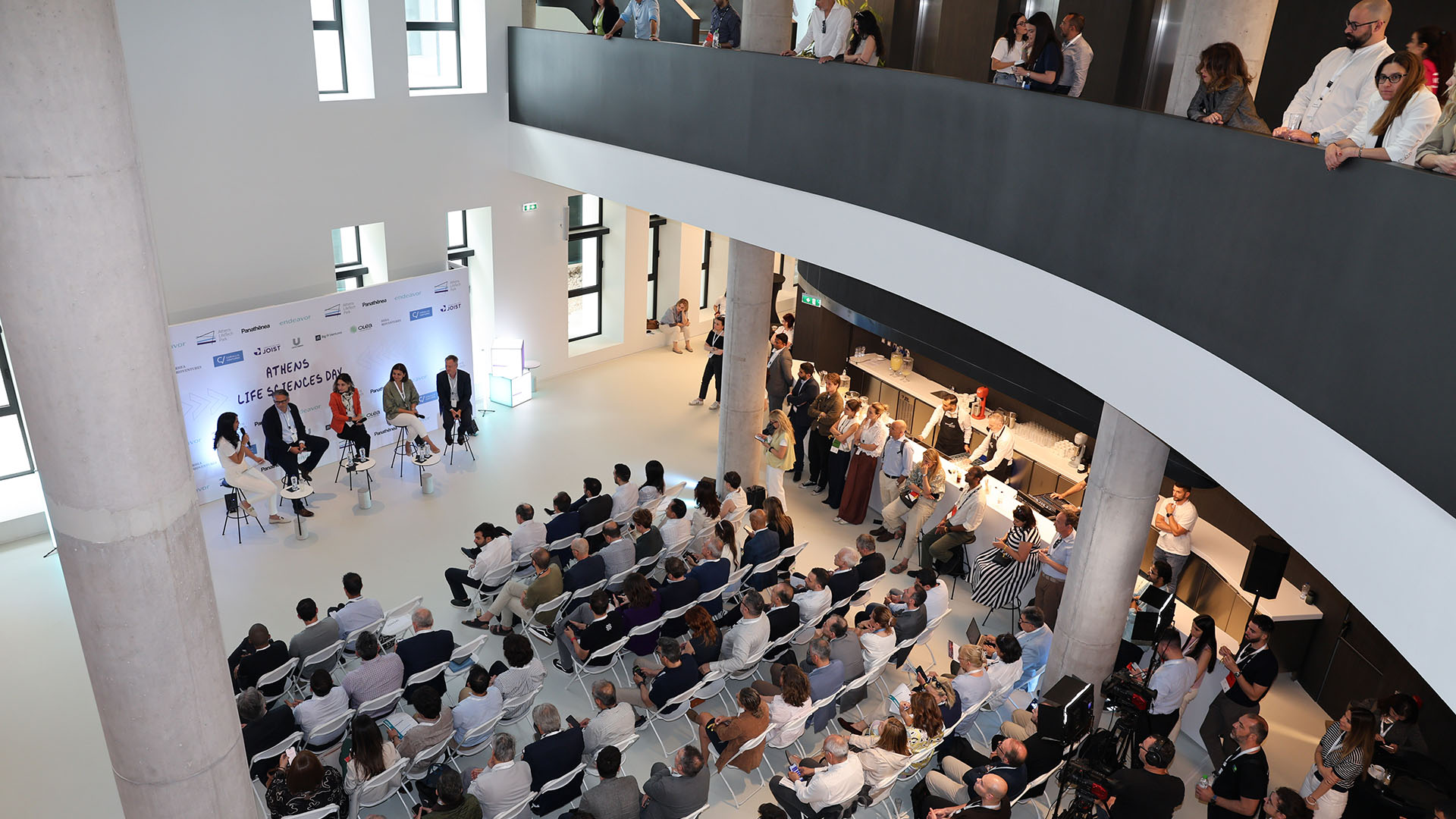
The occasion was Athens Life Sciences Day, part of this year’s Panathenea 2026 festival, co-organized with Endeavor Greece, Big Pi Ventures, Corallia Ventures, Olea Venture Partners, Rhea Bioventures, Untethered Ventures and JOIST.
Nearly 350 people came together from industry, the scientific community, the investment world and the public sector.
The same week, on May 27-28, ALTP hosted LifeHack Athens, a 36-hour life sciences hackathon with 60 participants, 13 teams and 22 mentors, co-organized with Endeavor Greece and Longevity Hackathons from London. The winning teams took the stage at Athens Life Sciences Day for live presentations. Together, the two events brought more than 400 people into a space that few had seen from the inside until now.
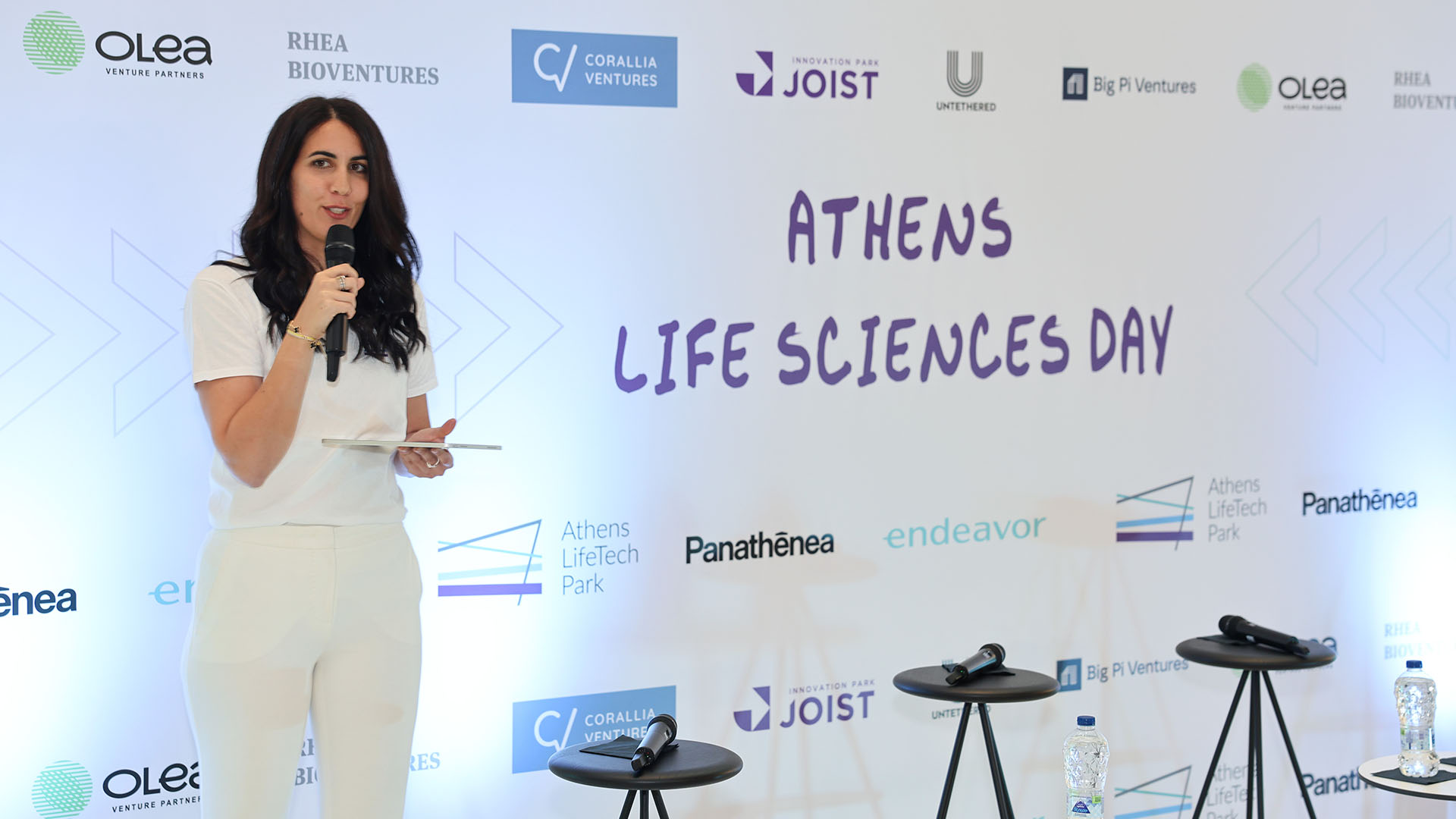
Athens Life Sciences Day was opened by Eleni Pentafragka, Executive Vice President of ALTP and Chief Strategy Officer and Board Member of ELPEN, who said: “For years we have watched the country’s exceptional scientific talent flourish outside Greece, and we refuse to accept that. That is why we built this space: to create the translational infrastructure that will allow Greece to build and grow life sciences companies. We wanted you to walk in here and feel that nothing is missing compared to Boston, Cambridge, Basel.”
The panels: what was said
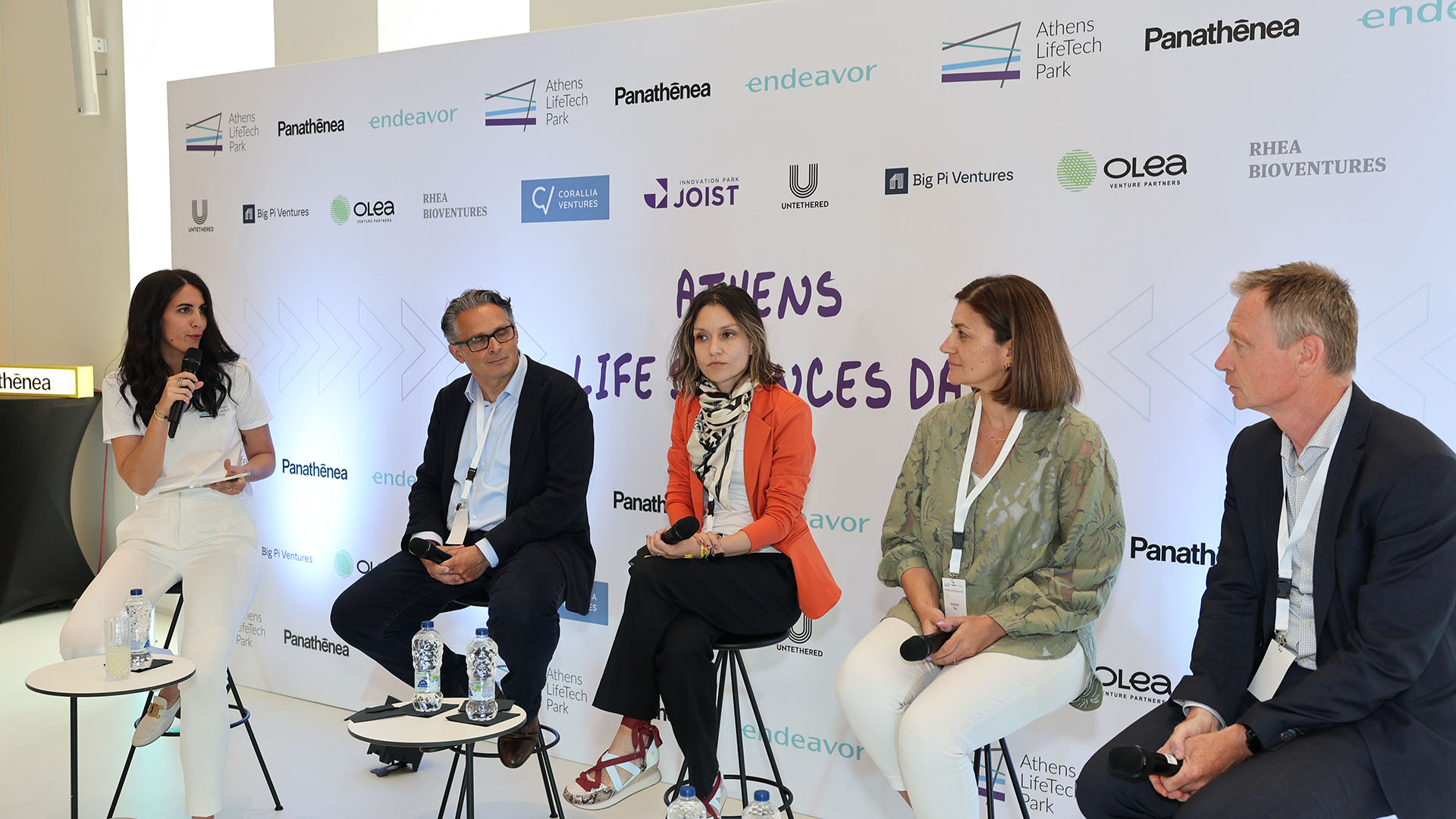
Across four discussions, a long-standing issue emerged clearly: Greece has talent and scientific output. What was missing was the infrastructure, both physical and organizational, that would connect the pieces into a single ecosystem.
On entrepreneurship, the discussion was candid: having the science is a necessary condition, but not a sufficient one. What early-stage companies usually lack is not ideas but business infrastructure: regulatory expertise, access to clinical networks, and capital that understands the industry’s timelines. The encouraging message was that European deep tech funds are now beginning to look beyond the established innovation hubs, and Greece, with its pool of trained scientists and comparatively lower operating costs, is now on the map.
The panel on AI in Drug Discovery produced the liveliest debate of the day. There was broad agreement that the companies that will define the next decade are not those building AI tools for the pharmaceutical industry, but those that embed the technology so deeply into their modus operandi that the distinction between an AI company and a biotech company loses its meaning. The growing focus on AI for drug discovery was among the most encouraging trends of the day.
In digital health, the conclusion was clear: the challenge is not the algorithm but integration. The companies gaining ground are those that design the product around the doctor’s daily workflow, not around the technology.
The profile of the audience was also significant. The active presence of venture funds, private equity and institutional investors sent a clear message: innovation in health is no longer seen only as a scientific necessity, but also as an investment opportunity.
LifeHack Athens | Winners
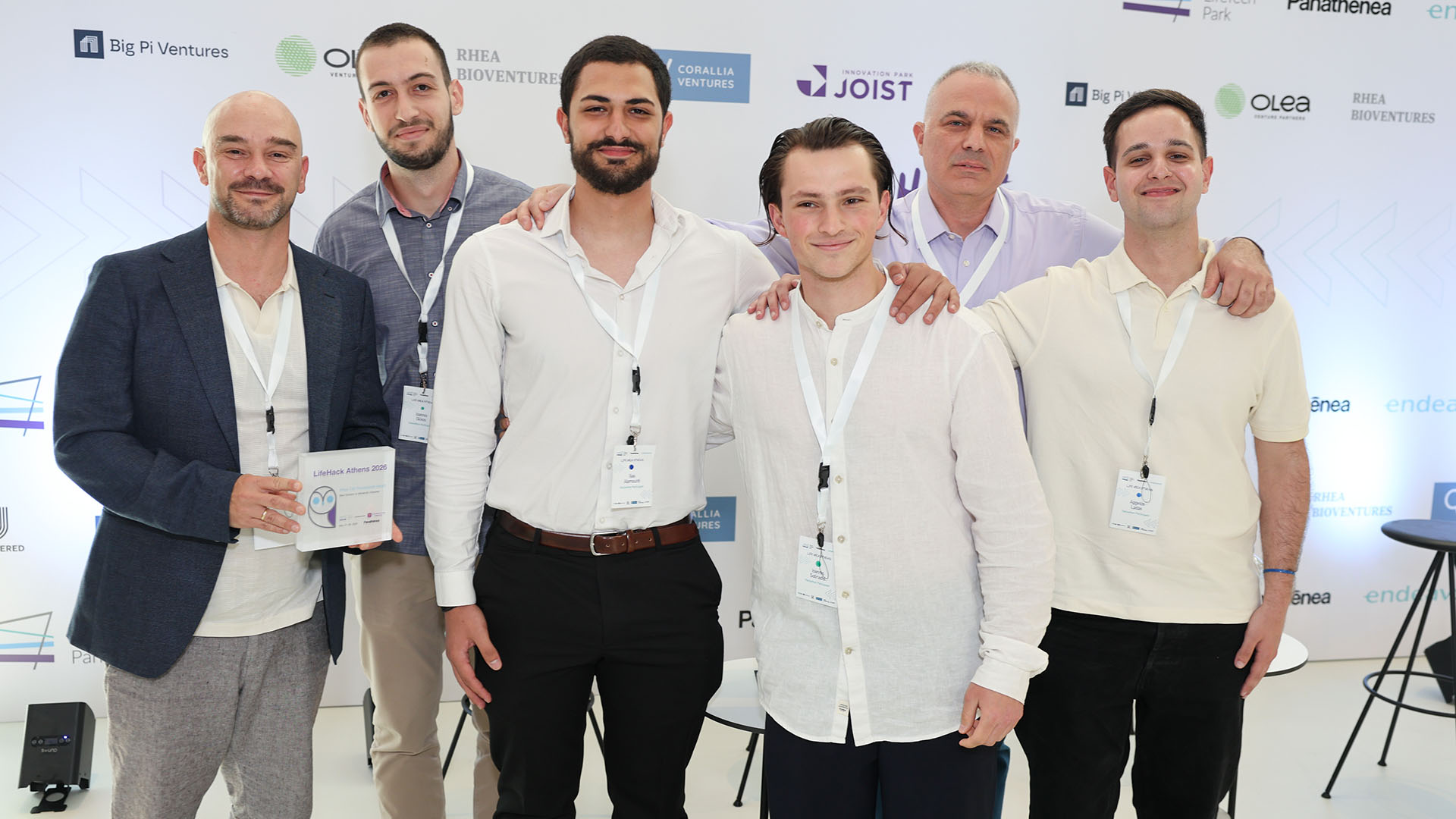
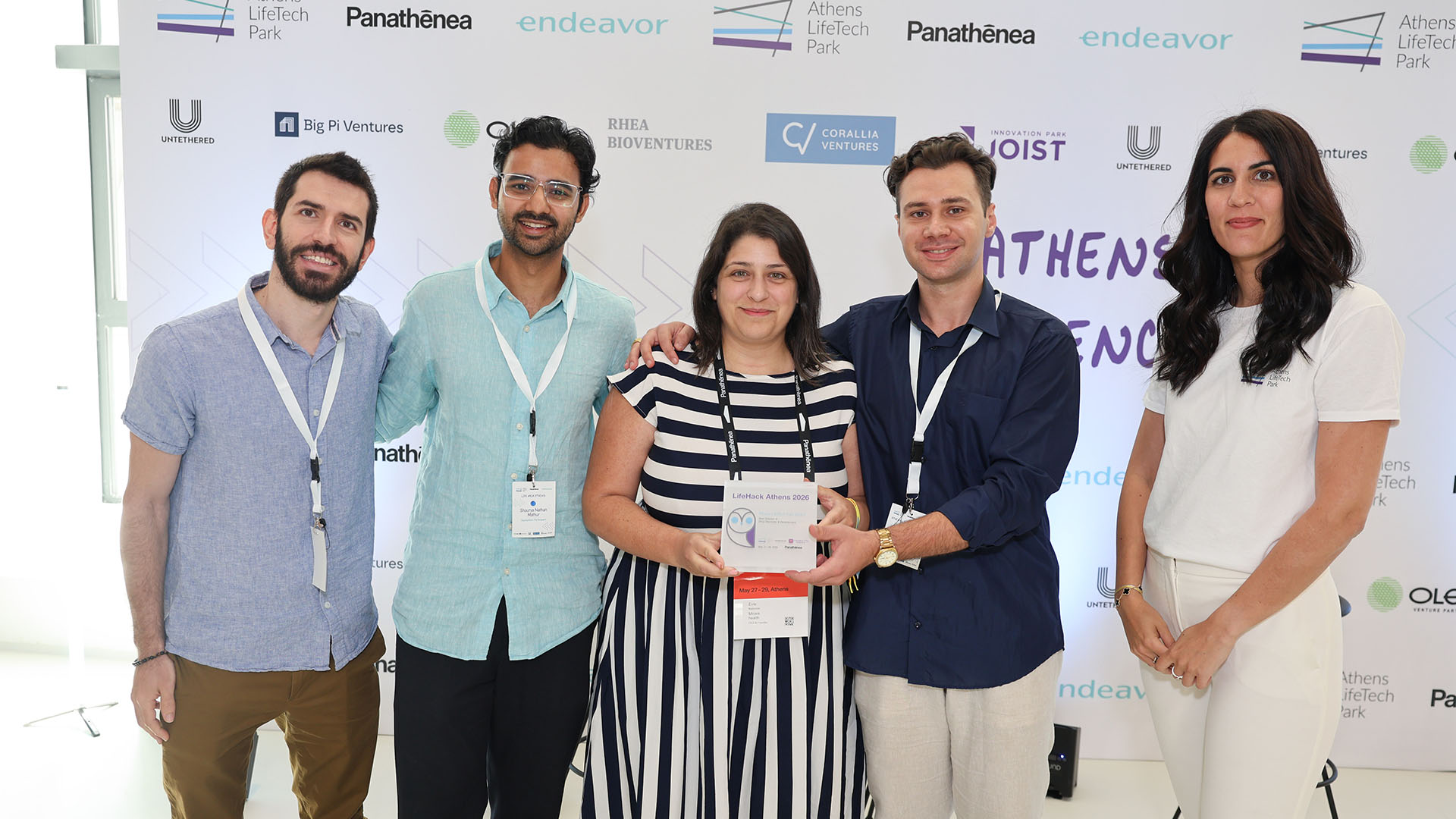
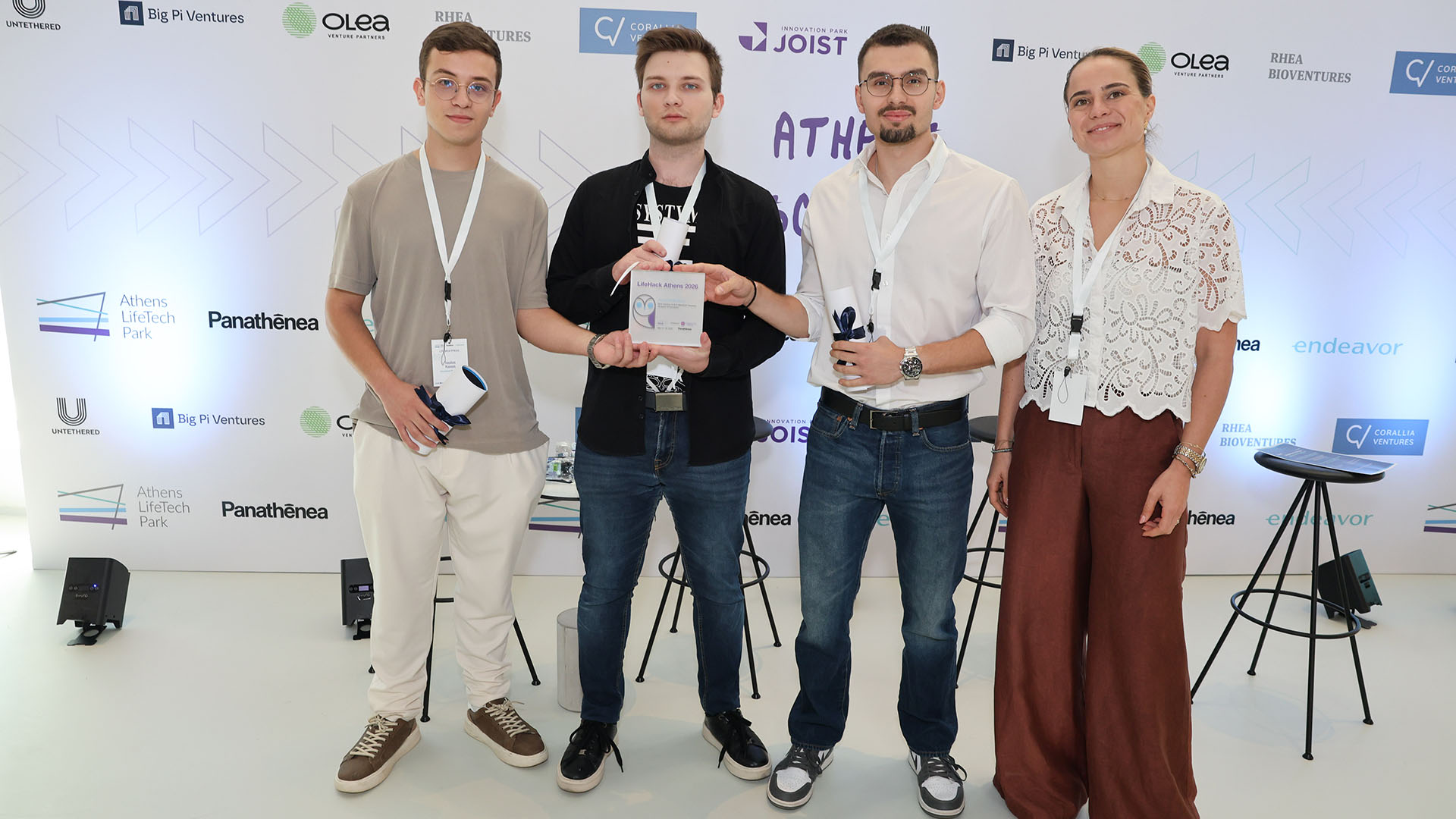
60 participants, 13 teams, 22 mentors, 36 hours of work. Three thematic tracks, three winners.
- MetNav won the Pfizer CDI metabolic diseases track (€3,000 cash prize) with an AI tool that combines blood test data, CGM, genomics and microbiome data to estimate the risk of metabolic disease.
- RNAgents won the ALTP drug discovery track (6 months of free laboratory and office space at ALTP) with an AI agent that generates and evaluates thousands of candidate siRNAs and ASOs. It is the first team to move directly from a hackathon to a laboratory at ALTP.
- Dyania Challengers won the Dyania Health clinical AI track (an iPad and a paid one-month internship for each team member) with a model that detects MASH at preclinical stages from unstructured medical data.
The future of health will belong to those ecosystems that manage to connect research, innovation, entrepreneurship and investment. Athens Life Sciences Day showed that Greece is ready to claim its role on the international life sciences stage, and that ALTP is the infrastructure that makes this possible now.
What comes next
ALTP’s biotech incubator is open and accepting applications from companies and research teams. It offers fully equipped research laboratories and office space, and access to a network that, as last week showed, is beginning to gain depth.
A Few Words About the Park
Athens LifeTech Park (ALTP), the first integrated biotechnology park in Southeast Europe, is a non-profit organization founded by ELPEN, with the mission of developing an ecosystem for biotechnology innovation and drug discovery. It houses a biotech incubator with fully equipped research laboratories and office spaces, preclinical and early clinical research services (CRO), and an educational and conference center. It is located in Spata, Attica, in direct proximity to Athens International Airport. Its vision is to become a global catalyst for life sciences innovation, based in Greece.
Speakers & Moderators
Panel 1 | Venture Building & Early Stage Investing
Aristotelis Nastos (BiomedVC), Magda Papadaki (Flagship Pioneering), Stefaan Allemeersch (CD3), Dean Dimizas (Cambridge Associates), Alexandra Tolia (Rhea BioVentures)
Moderator: Eleni Pentafragka (Athens LifeTech Park, ELPEN)
Panel 2A | Building in Life Sciences (Software)
Emilia Molimpakis (Thymia), Eirini Schlosser (Dyania), Andrea Dimitracopoulos (deepmirror)
Moderator: Nikos Kalliagkopoulos (Big Pi Ventures)
Panel 2B | Building in Life Sciences (Medical Devices)
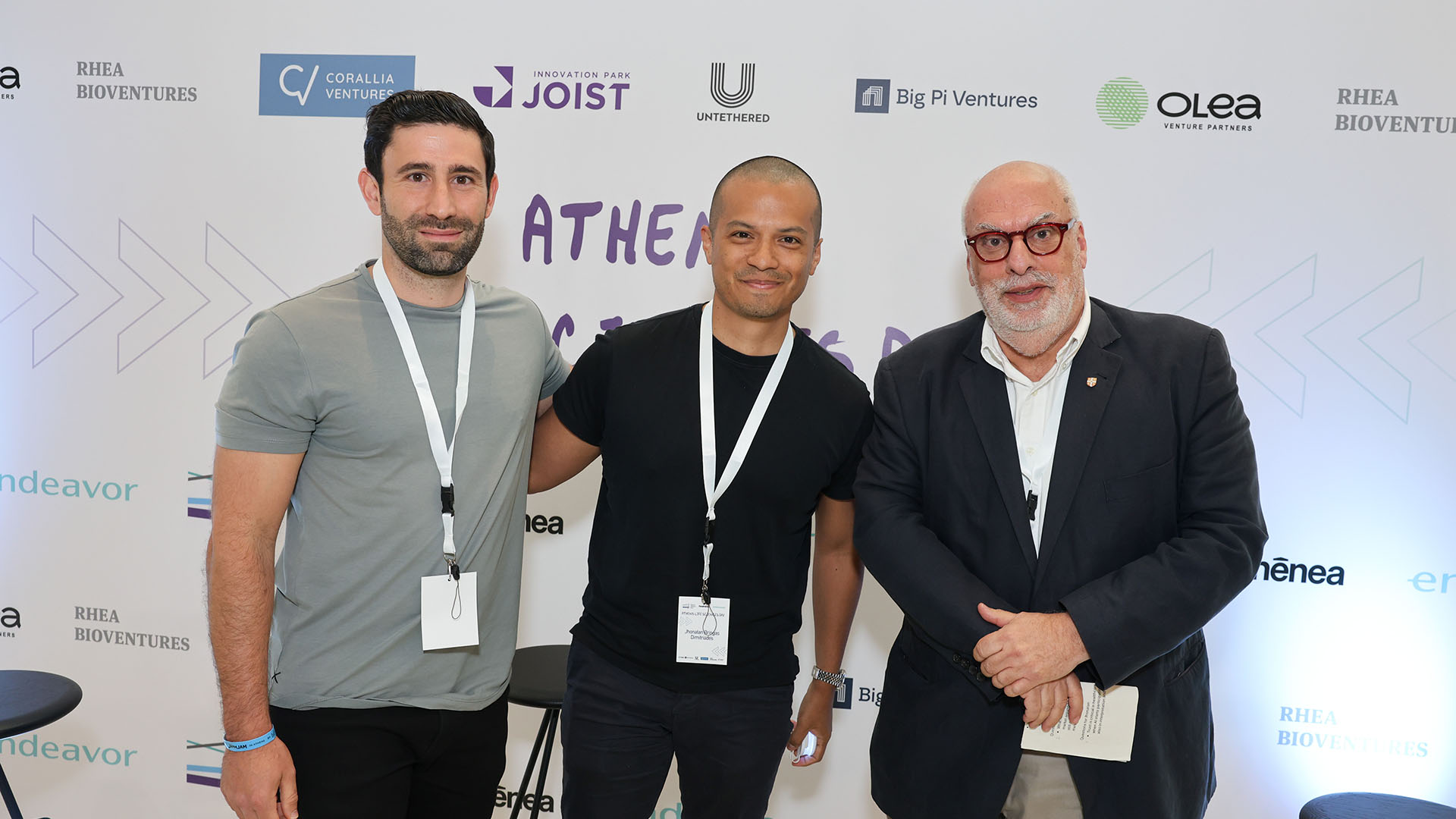
Jhonatan Bringas Dimitriades (Lapsi Health), Apostolos Atsalakis (PNOE)
Moderator: Stefanos Capsaskis (Corallia Ventures)
Panel 3 | Building the Next Generation of AI Companies in Life Sciences
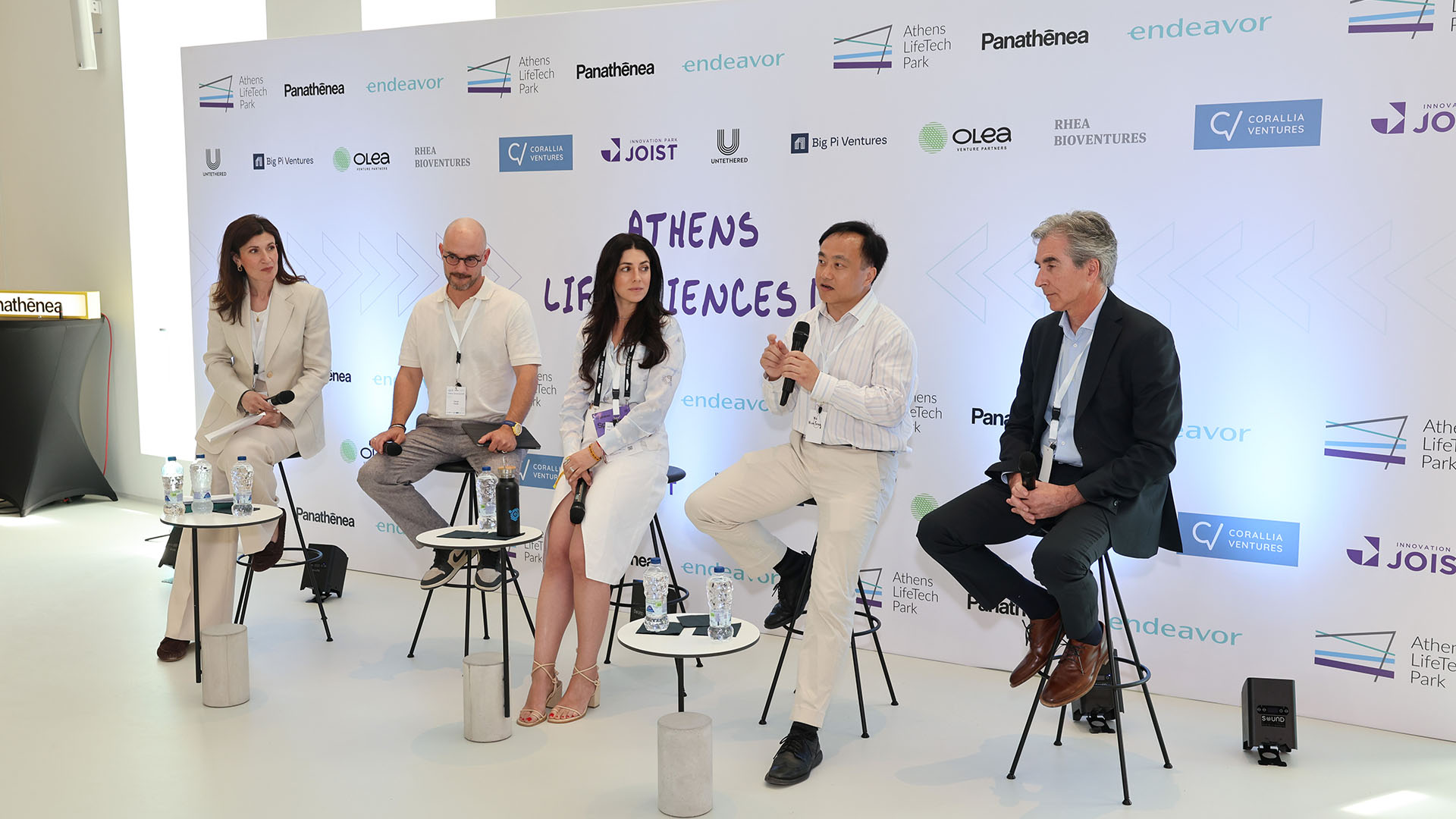
Dimitris Agrafiotis (Arsenal Capital), Yannis Pandis (Pfizer CDI), Huafeng Xu (Fathom Therapeutics), Eva Loizou (Intelligencia.ai)
Moderator: Harietta Eleftherochorinou (Olea Venture Partners)
Panel 4 | Clinical & Hospital Innovation
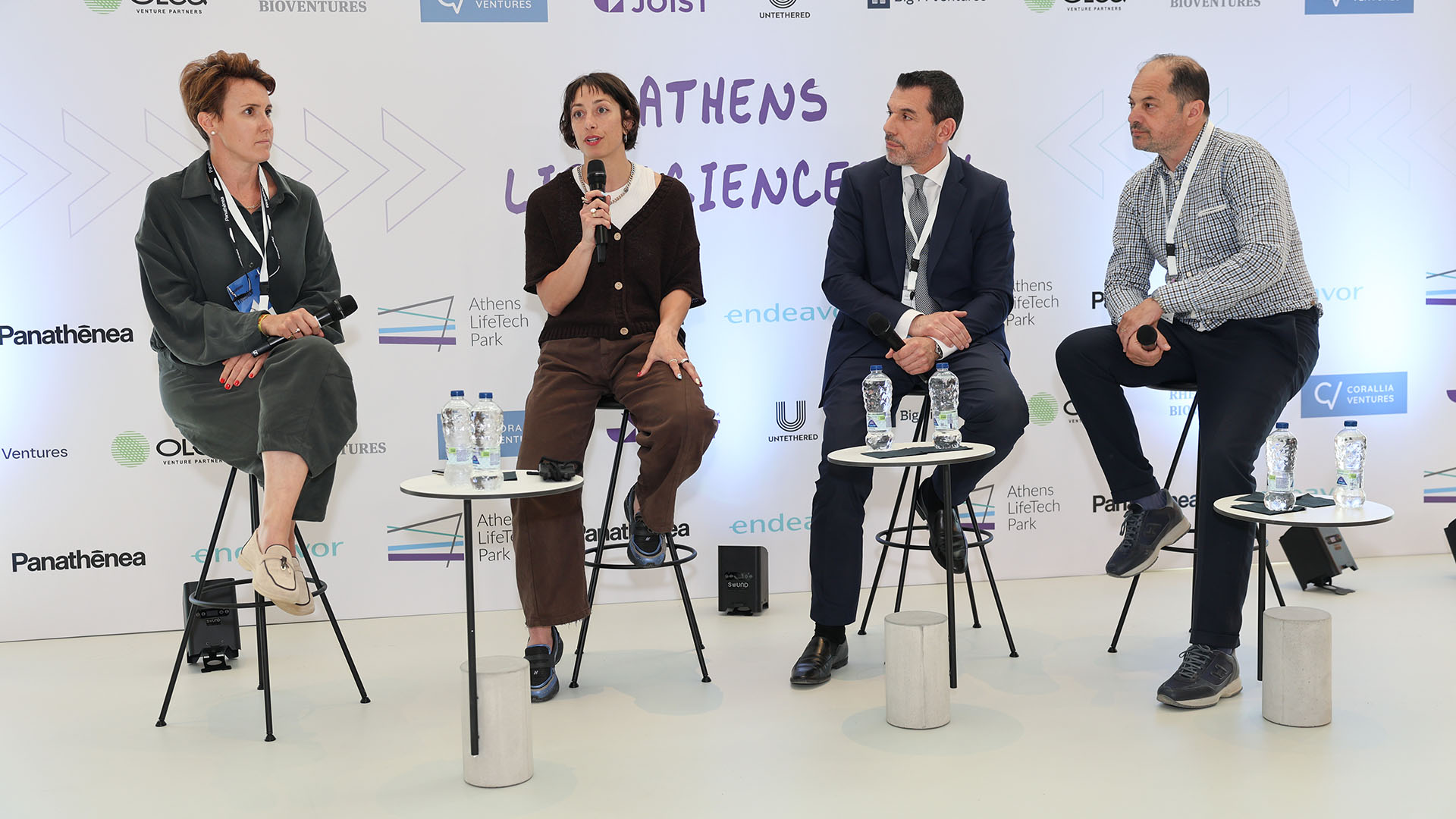
Mariam Elgabry (Bronic), Georgios Zerdillas (Iatriko Kentro), Georgios Papazisis (Papageorgiou Hospital)
Moderator: Ioanna Mylonaki (Untethered Ventures)